Shared Platform Specification
All three are printed as wireless controls for the T10 / T11 / T30 alarm-hub platform. Radio, battery and button-life figures are not printed per model on page 25.
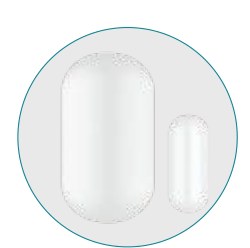
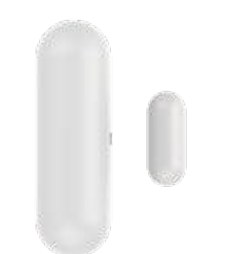
| Product family | Door/window contacts, standalone door alarms, PIR motion detectors, strobe sirens, doorbell push buttons, SOS buttons and 4-button remotes |
|---|---|
| Hub compatibility | Wireless alarm accessories pair with the T10 / T11 / T30 WiFi alarm hub; W1 / W5 / W6 and HP03W are standalone Wi-Fi devices that need no hub |
| Engineering scope | Magnet tolerance, lens geometry, RF behaviour, standby current and battery life are validated together as one system |
| OEM / ODM options | Housing, colourway, modular face cover, logo, radio configuration, multipack packaging and kit composition |
| Documentation | Model-specific electrical parameters, the pairing matrix and certificate scope are supplied in the datasheet before ordering |
Model Differences
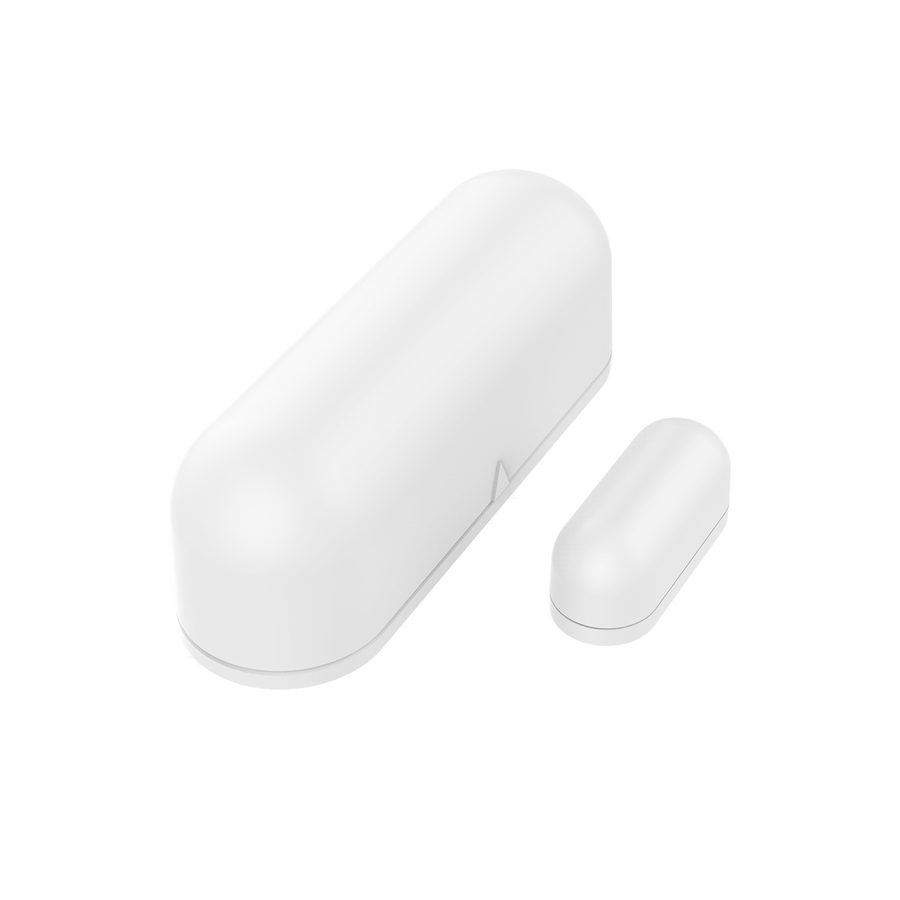
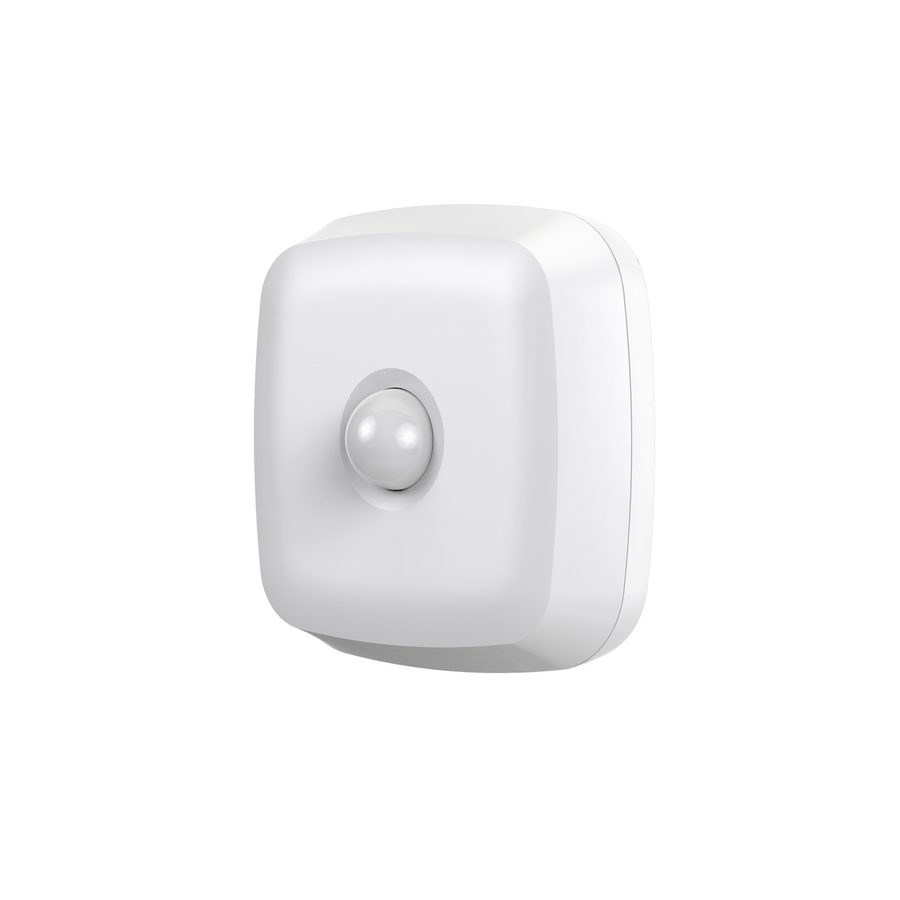
The models differ by function and by the housing shown in the catalog: a round push button, a red SOS button and a four-key keyfob remote.
| Model | What differs | Source |
|---|---|---|
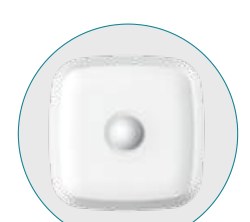
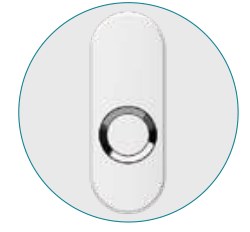
| SA-1168-P3 | Doorbell push button - white round button in an oval housing | 2026 catalog p25 |
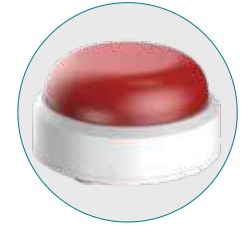
| SA-1168-SOS01N | SOS button - white housing with a red SOS face | 2026 catalog p25 |
| SA-1168-RC03 | 4-button remote - black keyfob with four keys | 2026 catalog p25 |
Model-by-Model Guide
Each model below has its own positioning and best-fit scenario, written so a buyer can tell at a glance which SKU to lead with. Where a note is a placement or channel recommendation rather than a printed specification, it is marked recommended.
SA-1168-P3
Positioning: A visitor-facing trigger that turns the alarm hub into an entry chime input.
Best fit (recommended): Recommended when a distributor wants one hub to cover both security and a simple door-announcement function, avoiding a separate standalone doorbell in the kit.
SA-1168-SOS01N
Positioning: A single-action emergency trigger; the red face makes its purpose unmistakable.
Best fit (recommended): Recommended for bedside, bathroom and caregiver installations where the user must find the button without reading a label.
SA-1168-RC03
Positioning: The only multi-button control in the group, intended for arm, disarm, home and SOS operation.
Best fit (recommended): Recommended as the everyday control for a household or small shop: one keyfob replaces walking to the hub for routine arming.
Key Characteristics
Door/window contacts, PIR motion sensors, sirens, push buttons, SOS buttons and remotes in one compatible accessory family
Magnet tolerance, RF behaviour and battery life engineered together
Modular face-cover and colourway options on the W1 / W5 / W6 contacts
Pairing matrix with T10 / T11 / T30 hubs confirmed in writing
Samples recommended for on-site range and compatibility testing
100% per-unit functional test
Applications
- Alarm system accessory bundles
- Smart-home starter kits
- Property entry monitoring
- Retail multipacks and caregiver alert kits
OEM / ODM Options
- Housing / faceplate / colourway
- Logo, artwork and retail packaging
- Plug standard and regional configuration
- Firmware identity, chime or alert behaviour
- Bundle / kit composition
- Documentation and multi-language inserts
Downloads & Next Steps
Datasheet, compliance file and 2026 catalog are released on request so that you receive the current revision. Tell us the target market and estimated volume and we will reply with a written feasibility view within one business day.
Frequently Asked Questions
What is the minimum order quantity?
MOQ depends on the model, whether an existing housing is used and the level of customisation. Send the model, target volume and market and we will confirm it in writing.
Can we request samples?
Yes. Samples from existing platforms are typically prepared within 5-7 working days; custom appearance samples follow the ODM schedule.
Do you accept factory audits?
Yes. Buyer and third-party factory audits are welcome, and social and quality audits are supported.
Will you sign an NDA?
Yes, before drawings or commercial details are exchanged.
Who owns the tooling?
Tooling ownership and NRE amortisation are agreed in writing at scoping. We do not assume ownership of a customer-funded tool.